Uttar Pradesh’s Regenerative Turn: The URJA Project
Mirzapur, Uttar Pradesh


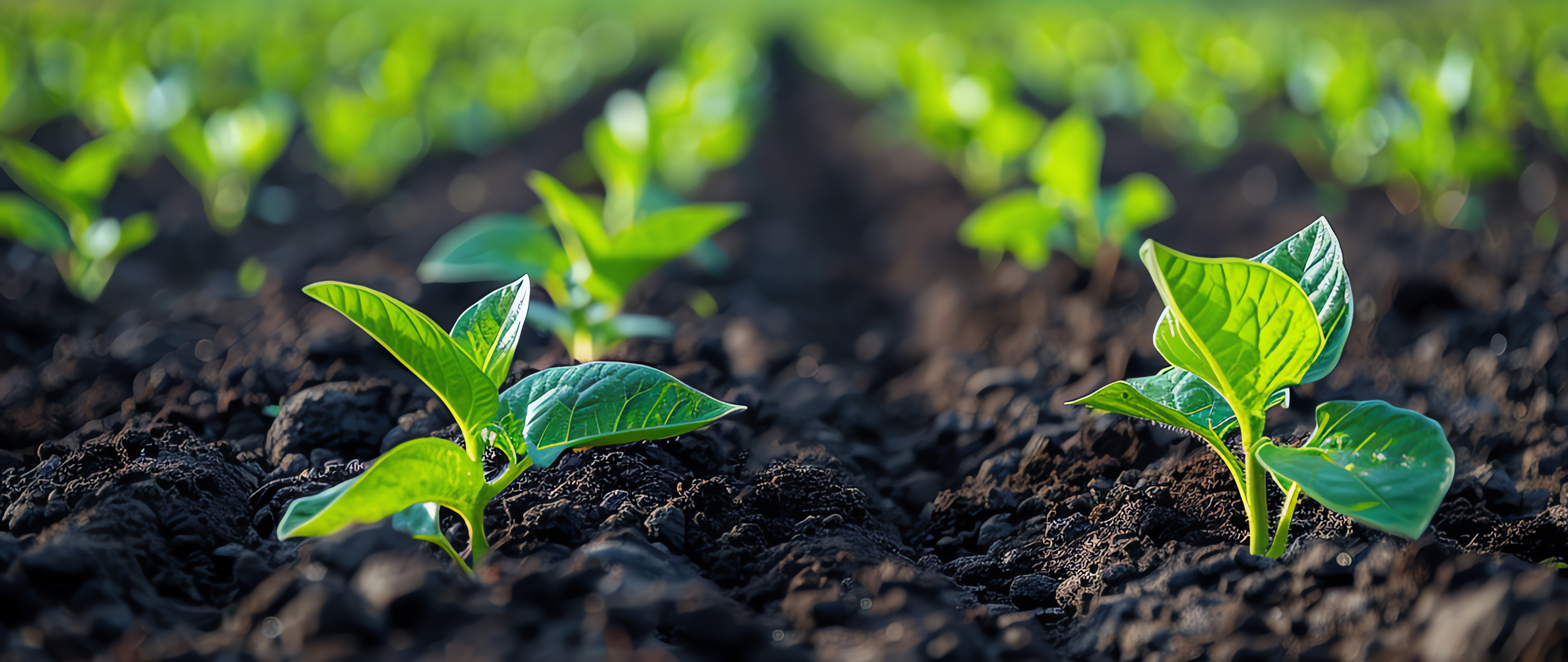
Across the fertile plains of Uttar Pradesh, a quiet shift is underway—one that reimagines agriculture not just as a means of production, but as a powerful climate solution. The Uttar Pradesh Regenerative Journey in Agriculture (URJA) is at the heart of this transformation.
URJA is an Agricultural Land Management (ALM) project designed to reduce greenhouse gas emissions while rebuilding what decades of conventional farming have steadily depleted—soil health. By integrating regenerative practices into everyday farming, the project aims to turn agricultural land into a carbon sink, improving resilience for both farmers and the ecosystem.
From Pilot to Scale
The journey begins with a first Project Instance (PI) spanning approximately 5,000 hectares, with a clear pathway to scale up to 15,000 hectares across multiple districts. This phased expansion reflects a thoughtful approach: test, refine, and grow—ensuring that impact is both measurable and meaningful.
Farming, Reimagined
At its core, URJA is about changing how the land is worked. It moves away from input-heavy, emission-intensive practices toward methods that work with nature, not against it.
- Direct Seeded Rice (DSR) to reduce water use and methane emissions
- Alternate Wetting and Drying (AWD) to optimise irrigation and cut emissions
- Reduced tillage to preserve soil structure and carbon
- Integrated nutrient and pest management to minimise chemical dependency
- Biofertilizers, compost, and farmyard manure to enrich soil biology
- Green manuring and crop residue management to return nutrients to the land
- Improved fertiliser management for efficiency and lower emissions
Each practice, on its own, is a step forward. Together, they form a system—one that restores soil carbon, improves yields over time, and reduces the environmental footprint of agriculture.
More Than Emission Reduction
While carbon outcomes remain central, URJA goes beyond climate metrics. Healthier soils retain more water, reduce input costs, and improve crop resilience—directly benefiting farmers. In this sense, regeneration is not just ecological; it is economic.
A Model for the Future
URJA signals what the future of agriculture in India could look like—scalable, science-backed, and farmer-centric. It’s a model where climate action is embedded into the soil itself, where every acre cultivated contributes not just to food security, but to planetary stability.
Because sometimes, the most powerful climate solutions don’t come from new technologies—they come from rethinking the ground beneath our feet.
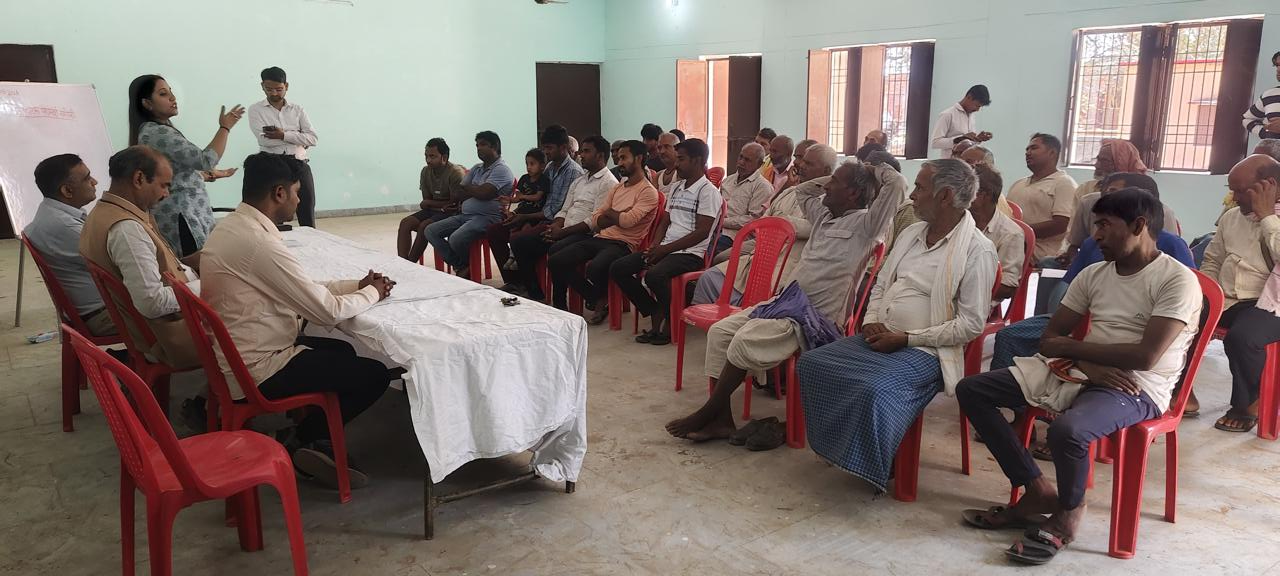
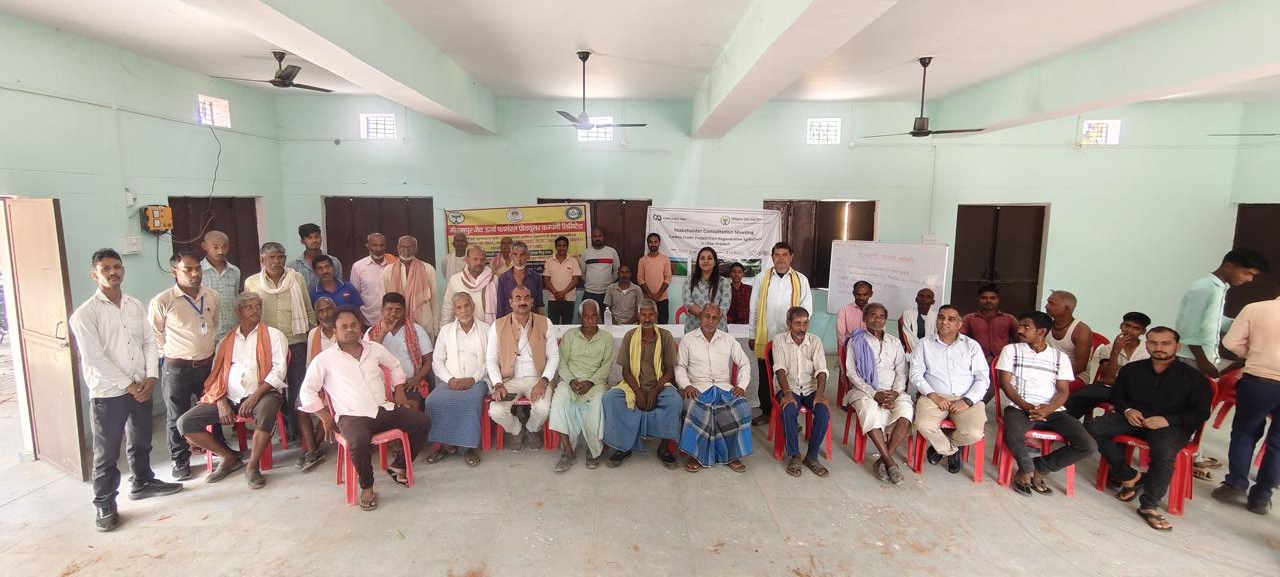
URJA Stakeholder Meeting
Advancing Regenerative Farming Practices